
Find the work worth improving.
We establish what starts the work, what information it needs, who makes the decisions, and what a useful result looks like.
Managed intelligence. Built around you.
Matter & Gas builds and runs AI systems that take on routine work and put your company’s knowledge to use.
Your people keep control of important decisions. We keep the systems working.
01 / The opportunity
The estimator assembling information before a quote can begin. The account manager finding the history behind a customer’s question.
These steps carry real business knowledge. They also determine how much work your company can handle—and how consistently it gets done.
We build systems that put that knowledge to wider use, with your people’s judgment where it matters.
This is a made-up description and an illustrative reading of it, shown so you can see the shape before you start. Nothing here is a customer’s data, and the workflow described is not built.
We receive maintenance requests by email and phone, and we lose track of who was promised a callback.
Requests arrive by email and by phone. Someone promises a callback, and the promise is not tracked anywhere shared.
Promised callbacks are missed because nothing records who was promised what, or by when.
A callback log that captures every promised callback from email and phone notes, and reminds the owner before it is due.
The real working model grows from your own words, one turn at a time, and says what it does not yet know.
Explore your own workflow02 / A Solution at work
Start with one defined piece of work.
See what a better way could look like.
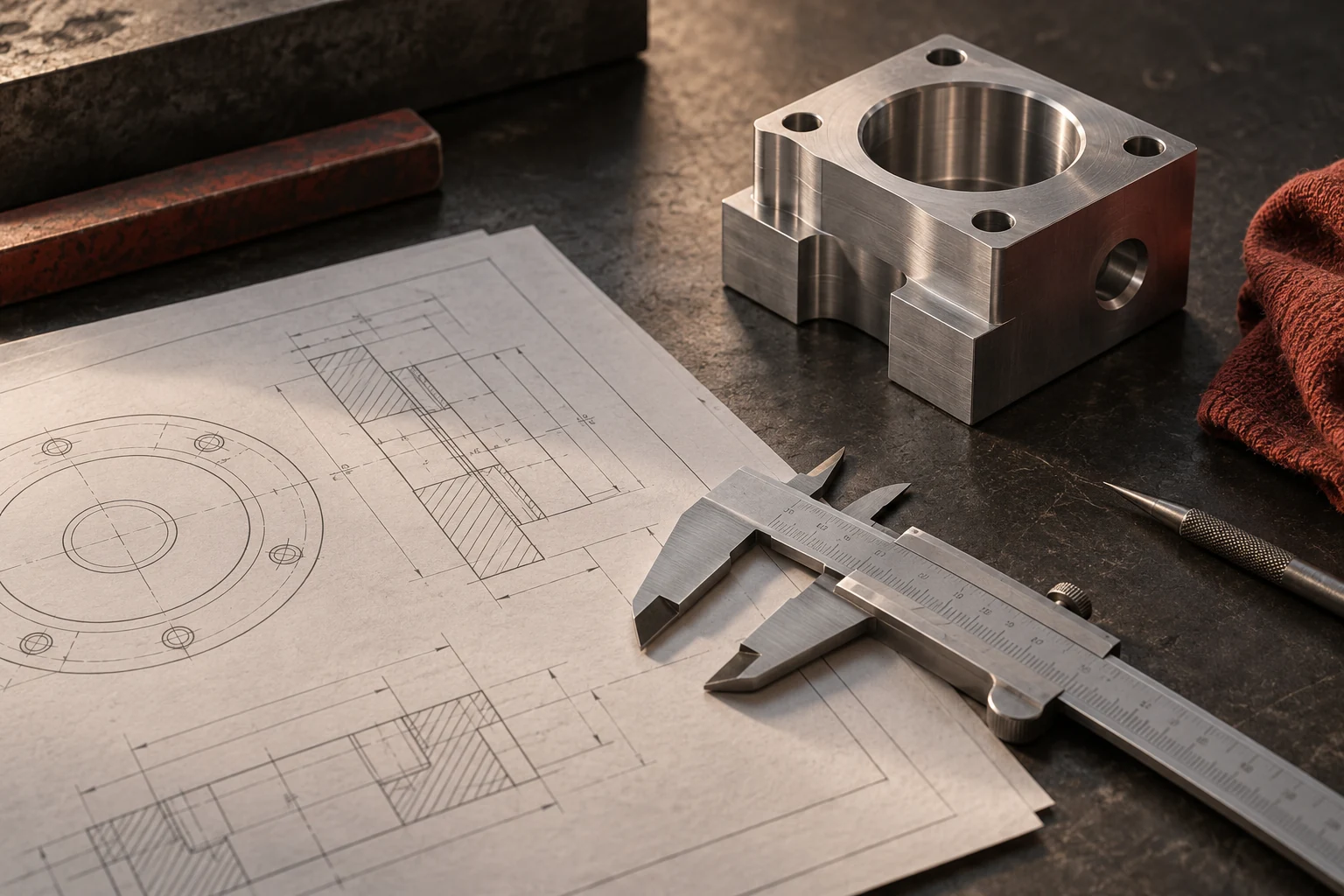
The information behind the work
The scope, constraints, and requested deliverable
Specifications and supplier information
Company language and established approach
Approved inputs. Defined access. A specific purpose.
Examples show possible Solution designs. Each build is assessed against your information, systems, and operating requirements.
03 / The relationship
A Solution has a defined purpose, a clear scope, and someone responsible for the system behind it.
Find the right starting pointWe establish what starts the work, what information it needs, who makes the decisions, and what a useful result looks like.
Your Solution uses approved information and explicit review requirements. Your team reaches it through a private dashboard or your software using our API.
We monitor operation, investigate failures, and manage changes within your service agreement. Improvements are evaluated against the purpose of your Solution.
04 / The foundation
Inside MagWorks (opens in a new tab)MagWorks is the proprietary platform underneath every Matter & Gas Solution. The operating discipline is built into the foundation.
Supporting information assembled.
Approval remains with your team.
Your Solution’s knowledge and activity are scoped to your business.
Review requirements and permitted actions establish where the system can act and where a person must decide.
Runs, versions, and execution costs make the work identifiable and inspectable.
Versioned capabilities and governed releases support improvements with an accountable history.
05 / Direct accountability
Work directly with the founder responsible for your Solution.
Based in Dallas, Texas, we work with businesses across Texas and the United States. You bring the knowledge of your business. We bring the systems and the responsibility for operating them.
Your next useful capability
Start with a process, a recurring problem,
or a capability you wish your business had.